

Machine Control: Automatic Setup and Recipe Transfer
Take full control of your machine park. Accevo Machine Control sends programs, recipes and setpoints to your machines straight from the production order - so a changeover starts with the equipment already configured correctly, and nobody types a value that matters.
Automated setpoint configuration, recipe transfer to PLCs and changeovers performed on the fly. The module that turns a changeover from a manual procedure into a verified one.
Machine Control: Automatic Setup & Recipe Transfer
Take full control of your machine park. Accevo Machine Control sends programs, recipes and setpoints to your machines straight from the production order - so a changeover starts with the equipment already configured correctly, and nobody types a value that matters.
Automated setpoint configuration, recipe transfer to PLCs and changeovers performed on the fly. The module that turns a changeover from a manual procedure into a verified one.
什么是机器控制?
Machine Control is a system for automated production lines that communicates with every connected machine and keeps each process under constant control. Where most software reads from machines, this module also writes to them: the correct program, the correct recipe and the correct setpoints for the order about to run.
The problem it removes is unglamorous and expensive. A changeover requires dozens of settings to be entered correctly, by someone under time pressure, from a document. Most get entered correctly. The ones that do not become the scrap in the first hour of the run, and are usually discovered at the end of it.
Sending the values from the order instead removes both the delay and the error – and records what was actually set, against the batch it applied to.
-25%
shorter changeover
Setup time removed when settings arrive with the order instead of being entered by hand from a document.
0
manual setpoint entries
Programs, recipes and setpoints transmitted automatically, so there is no transcription step left to get wrong.
On-the-fly
转换
Format and recipe changes performed without stopping the line where the equipment supports it.
100%
of settings recorded
Every value actually applied is written against the order and the batch, which is what makes it auditable afterwards.
Programs
Machine programs selected by the order and transmitted to the controller, so the right program runs without anyone locating it, loading it or confirming the version by eye.
Recipes
Process recipes sent directly to PLCs from the production order – temperatures, pressures, speeds, dosing – as one consistent set rather than a list to be keyed in.
Set-points
Individual setpoints written and verified remotely, including the ones that are technically adjustable on the panel and should not be adjusted without a record.
Verification and read-back
What the machine actually accepted is read back and compared against what was sent, so a silently rejected value does not become tomorrow's investigation.
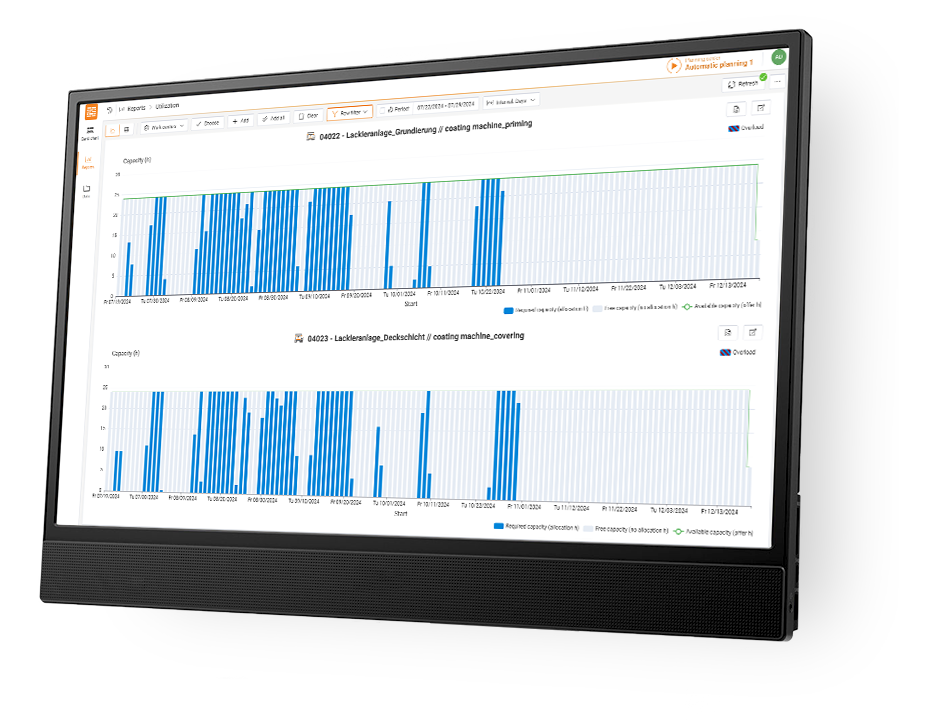
How Machine Control works
It sits between the production order and the automation layer, which is only possible because the connectivity underneath it already exists.
Triggered by the order
When an order is released to a line, the parameter set attached to that product and format is resolved and sent – so the machine is configured for what is about to run, not for what ran last.
Written through the same connection
Using the PLC drivers and protocols already established for data collection – Siemens, Allen-Bradley, Mitsubishi, Omron, OPC UA, Modbus. See 机器连接.
Recorded against the batch
The values sent, the values accepted and the time they were applied are written into the production record, which is what turns a setup into evidence.
主要好处
Three effects, in the order plants usually notice them – and the third one is the reason quality teams end up sponsoring this module.
Changeover time falls
Significant reduction in the time a changeover takes, because the machine configures itself while the mechanical work happens rather than afterwards. On a high-mix line this is often the single largest recoverable loss.
Setting errors disappear
Certainty that setpoints are correct, with no human transcription and no delay. The scrap generated in the first hour of a run by one mistyped value stops being a recurring cost.
Technology management gets easier
Parameter sets are managed centrally and changed once, with the ability to respond remotely and in real time – instead of walking a change round every panel on the floor.
Where Machine Control fits
It is rarely the first module a plant buys, and almost always one of the most appreciated once the data layer is in place.
After OEE and microstops
Once you can measure changeover duration properly, automating the setup is the obvious next step – and the benefit is measurable against the baseline you already have. See microstops and downtime tracking.
Alongside paperless production
Digital work instructions guide the operator through the mechanical part of the changeover while the system handles the parameters. See paperless production.
Underneath quality and traceability
Because every applied parameter is recorded against the batch, setup verification stops being a paper checklist and becomes part of the production record.
Send us one changeover
Pick the product transition that costs you most and tell us what happens today: how many settings, entered where, from which document, verified by whom. We will show you which of them we can send automatically on your equipment, and what that does to the changeover time you are already measuring.

常见问题解答
Machine Control, explained
Machine Control is a module for automated production lines that communicates with connected machines and keeps each process under control - including writing programs, recipes and setpoints to the equipment automatically from the production order, rather than relying on manual entry.
A PLC driver is the software component that speaks a particular controller's protocol - Siemens S7, Allen-Bradley, Mitsubishi, Omron and others - allowing values to be read from and written to the machine. Accevo maintains its own drivers, which is why writing to machines is possible rather than only reading from them.
Writes are limited to the parameters agreed during the automation assessment, values are validated before transmission and read back after it, and everything applied is recorded against the order. Safety-critical parameters remain under the machine's own control.
Any machine whose controller exposes writable parameters over a supported protocol. During the automation assessment we establish, per asset, which values can be written and which can only be read - so the scope is known before the project rather than discovered during it.
Often, though less universally than data collection. Older controllers frequently allow reads but restrict writes. Where writing is not possible, the same parameter set can still be pushed to the operator panel as a verified checklist rather than a paper document.
By removing the sequential part. Instead of mechanical changeover followed by manual parameter entry followed by verification, the parameters are applied while the mechanical work is happening, and verification is automatic.
近期文章

制造业的生产控制 - 软件如何发挥作用?
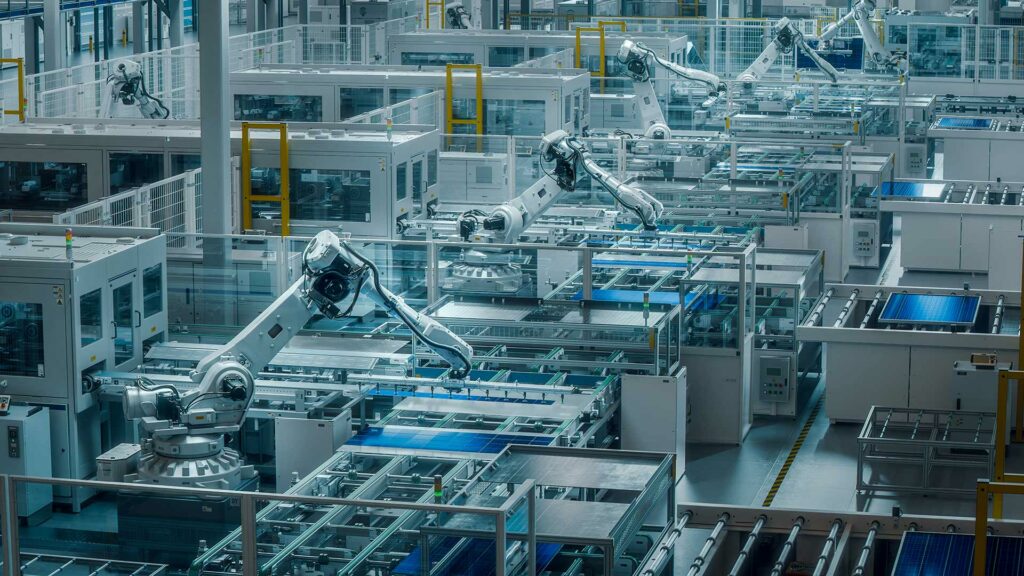
In the complex world of manufacturing, production control is the linchpin that holds all operations together. As the nerve center of a manufacturing plant, its efficiency and effectiveness are paramount. But how do we elevate its capability to a zenith of optimal performance? The key lies in integrating innovative IT
制造业中的机器数据记录 (MDE) 和操作数据记录 (BDE)
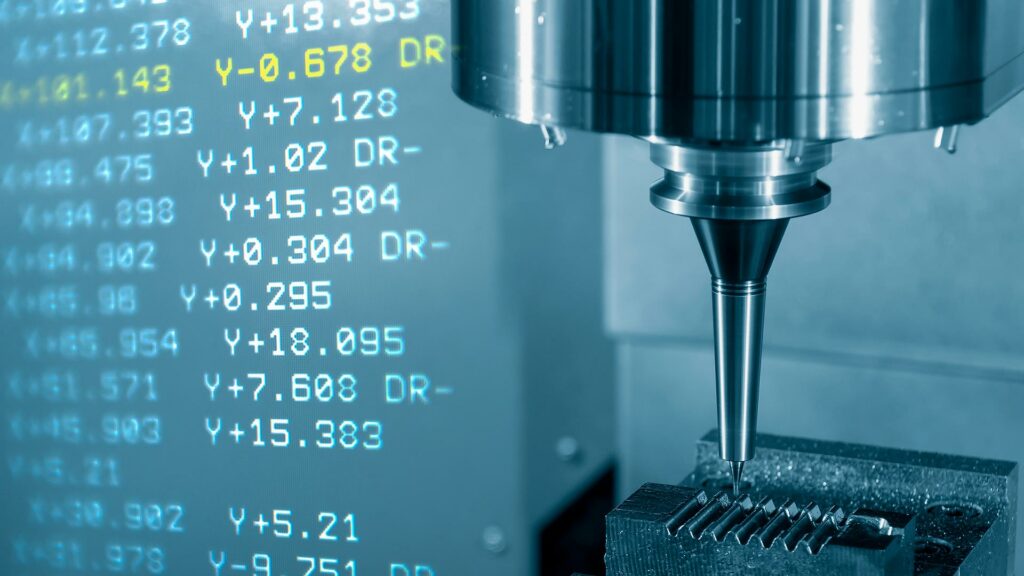
What is Machine Data Recording (MDE) in Manufacturing? What is Operating Data Recording (BDE) in manufacturing? What is the difference between MDE and BDE? What are the benefits of MDE and BDE working together? Integrating MDE and BDE offers a multitude of tangible benefits: Key Features: Modern MDE and BDE